7 Simple Changes That Will Make A Big Difference With Your Garage Door Lock Replacement
Garage Door Lock Replacement: A Comprehensive Guide
Garage doors are essential parts of home security and benefit. They serve to secure lorries and saved items while supplying simple access to homeowners. Nevertheless, like all mechanical systems, they can experience wear and tear, especially the locking systems. This guide will cover the reasons for garage door lock replacement, the types of locks available, a detailed replacement procedure, and upkeep suggestions to boost security and durability.
Why Replace a Garage Door Lock?
There are a number of engaging reasons to consider replacing a garage door lock:
- Wear and Tear: Constant use can result in wear of the lock mechanism, making it less effective.
- Lost Keys: Losing secrets puts the safety of your home at threat, necessitating a lock replacement.
- Upgraded Security: New locking innovations and systems can supply better security than older designs.
- Increased Damage Resilience: If a lock is damaged (through forced entry, rust, or other problems), it may require to be changed for safety.
- Changing Family Dynamics: If you have actually moved into a new home or have actually had occupants, changing the locks is suggested.
Types of Garage Door Locks
Comprehending the types of locks offered can help house owners in making an informed choice relating to replacements. The following prevail kinds of garage door locks:
Type of Lock
Description
T-handle Lock
Typically mechanical, utilizing a t-shaped handle for easy operation. Ideal for overhead garage doors.
Electronic Keypad Lock
A modern option that requires a code input for access. Ideal for those who choose keyless entries.
Deadbolt Lock
A robust choice that offers extra security. Might be operated by key or a keypad.
Smart Lock
Enables access through mobile phones or smart home systems. Offers high-tech security functions.
Slide Bolt Lock
An easy and cost-effective manual locking solution, using standard security.
Step-by-Step Guide for Garage Door Lock Replacement
Replacing a garage door lock may appear overwhelming, however with the right tools and methods, it can be a manageable DIY task. Follow the actions listed below:
Tools Required:
- Screwdriver (flathead and Phillips)
- Replacement lock
- Key (if needed for your new lock type)
- Lubricant (for maintaining the new lock)
- Safety safety glasses
Replacement Steps:
Assess the Current Lock: Identify whether the lock is operating or totally broken. This will inform your replacement alternatives.
Collect Necessary Tools: Before starting, guarantee you have all the tools at hand.
Remove the Old Lock:
- Open the garage door.
- Find the screws holding the lock in location, normally visible from inside the garage.
- Unscrew the fasteners with the screwdriver and gently take out the lock mechanism.
Prepare the New Lock:
- Follow the manufacturer's instructions for your new lock, guaranteeing all components are undamaged.
- Check the new lock mechanism to guarantee it works correctly before installation.
Set Up the New Lock:
- Align the new lock in the exact same position as the old one.
- Secure it in place utilizing the screws. Tighten them effectively, but beware not to overtighten, which can damage the material.
Check the New Lock: After installation, test the lock numerous times to guarantee smooth operation. Check both locking and unlocking functions.
Apply Lubricant: To improve the function and longevity of the lock, apply a little amount of lube to the locking mechanism.
Keep the Lock: Set up a routine upkeep routine for your garage door lock.
Upkeep Tips for Garage Door Locks
To make sure the durability of your new garage door lock and maintain security, think about these upkeep suggestions:
- Regular Lubrication: Perform lubrication of the lock a minimum of when a year.
- Look for Rust: Inspect for signs of rust or rust, especially in moist environments. Deal with any concerns instantly.
- Test Security Features: If you installed an electronic or smart lock, make sure that the battery is working and system updates are carried out.
- Tidy Mechanisms: Regularly clean locks with a damp fabric and remove debris or dirt that may prevent correct functioning.
- Consider Professional Help: For upkeep of more intricate locks, such as smart locks, consider working with a professional for evaluations.
Frequently asked questions
Q1: How often need to I replace my garage door lock?A1: It is
a good idea to inspect your garage door lock at least as soon as a year. Change it if you see wear, rust, or if you've lost the secrets.
**Q2: Can I replace my garage door lock myself?A2: Yes, most garage door locks are created for simple DIY replacement. Just follow the manufacturer's instructions carefully. Q3: What tools do I need for lock replacement?A3: Basic tools such
**as screwdrivers (flathead and Phillips)are typically enough. Q4: How do I maintain my garage door lock?A4: Regularly lube the mechanism, identify rust, and keep the lock
without debris for optimal efficiency. Q5: Are smart locks
worth the investment?A5: Smart locks supply increased security and benefit, allowing you to control gain access to from another location.
**For many house owners, the benefits outweigh the expenses. Replacing door lock cylinder replacement is a straightforward procedure that can significantly boost the security of your home. By comprehending the types of locks
offered and adhering to a useful replacement process, property owners can ensure their garage doors remain secure. Routine maintenance of locks will extend their life and enhance performance, adding another layer of security for your home. Whether it's a lost key or the need for an upgrade, being proactive about your garage door's locking mechanism is vital for peace of mind. 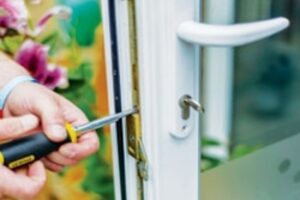 ******